Thirty years ago I learned this: necessity may be the mother of invention, but reinvention is the mother of longevity.�
The old dream was to go from mixtapes to mansions. The new dream is bigger: own companies, sit on cap tables, and turn cultural influence into generational wealth. Across hip-hop and Black media, a quiet wave of artists and personalities have slipped into boardrooms, venture funds, and startup rounds�often with way less noise than their hit records once made.
These are ten names who didn�t just take checks from brands. They learned the business, wrote their own checks, and became part of the tech and business infrastructure that runs the world.
Chamillionaire: From �Ridin�� to Riding Unicorns
Before he was breaking into boardrooms, Chamillionaire was a Houston mixtape kid named Hakeem Temidayo Seriki, born November 28, 1979, in Washington, D.C., before his family relocated to Houston, Texas, where he absorbed the city�s chopped-and-screwed sound and independent hustle culture. He came up in the early-2000s underground, co-founding the Color Changin� Click, flooding the streets with tapes, and eventually launching his own label, Chamillitary Entertainment, giving him early experience in ownership, marketing, and artist development. That grind led to his 2005 major-label debut The Sound of Revenge and the monster single �Ridin�,� which turned him into a Grammy-winning mainstream star almost overnight and put him in position to choose long-term equity over short-term fame.
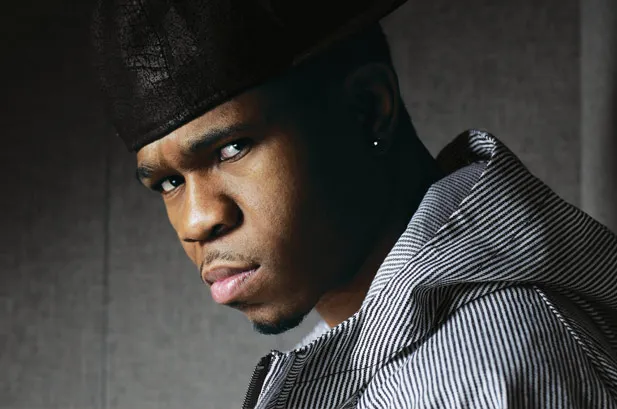
What makes his story different is what happened next. Where most artists double down on chasing the next hit, Chamillionaire quietly started showing up in tech circles in Los Angeles and Silicon Valley, asking founders questions, sitting in meetings, and learning the language of venture capital instead of just cashing endorsement checks. He eventually landed as an Entrepreneur-in-Residence at Upfront Ventures in Los Angeles, a serious role at a serious firm that gave him access to deal flow, mentorship, and a front-row seat to how billion-dollar companies are built from the ground up.
From there he built out a portfolio of more than 60 startups, including early stakes in companies like Maker Studios, Cruise Automation, Ring, and Lyft, while co-founding the social video app Convoz and organizing invite-only investment syndicates for other artists and executives. What really sets him apart is how he uses that access, bringing other investors into deals, pushing for diverse founder representation, and helping products connect with real culture�turning his rap-era credibility into long-term equity rather than quick brand campaigns.
Will.i.am: The Futurist Who Built the Future
Will.i.am has always sounded like he was operating ahead of the curve. Born William James Adams Jr. in Los Angeles, he grew up in East L.A. and primarily Boyle Heights, raised by a single mother who encouraged his interest in music and creativity as a path out of their environment. He first started making noise in the early 1990s Los Angeles underground scene, forming a group that would eventually evolve into the Black Eyed Peas, which transitioned from backpack rap circles into one of the most commercially dominant pop-rap groups of the 2000s.
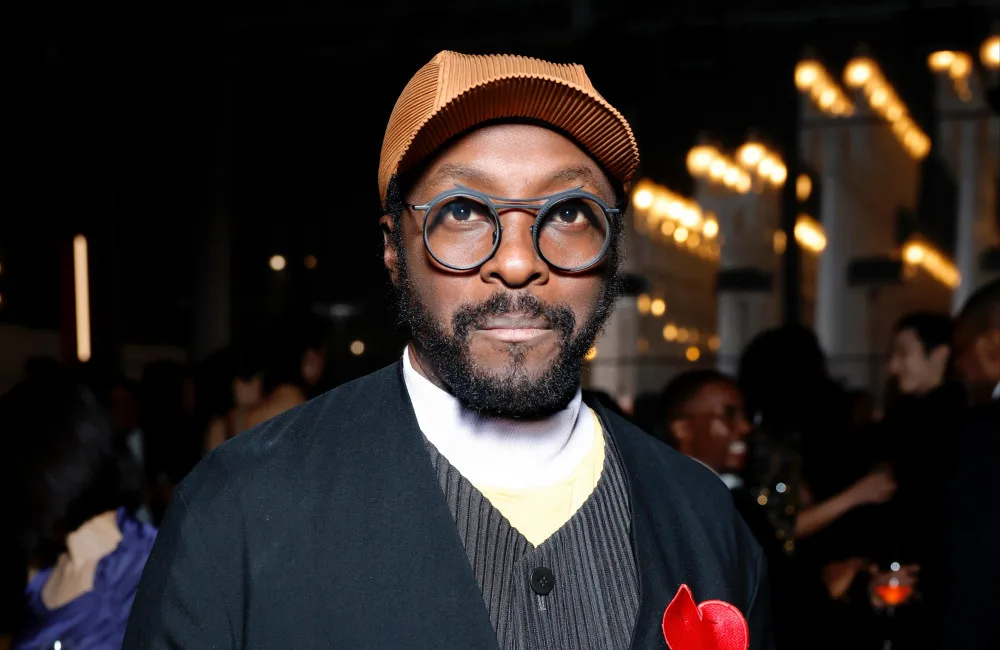
While the group was dominating charts and touring the world, he was already thinking beyond records and royalties. He leaned into product, technology, and partnerships, working on everything from mobile phones and headphones to fashion-tech collaborations, and building relationships with companies far outside the traditional music-industry ecosystem. That curiosity and positioning meant that while other artists were chasing endorsements, he was quietly collecting equity and learning how the consumer-tech machine really runs.
That thinking turned into ownership. He founded i.am+, a hardware and AI company focused on wearables and voice tech, and in 2011 took on a role with Intel as �director of creative innovation,� putting him inside one of the most influential chip and computing ecosystems in the world. Over time, he has been linked to early or strategic positions in companies like Tesla, Twitter, Pinterest, Dropbox, OpenAI, and Anthropic, and more recently launched FYI, an AI-powered productivity platform for creatives where he serves as CEO�proof that he isn�t just endorsing the future, he�s helping architect it.
Instead of attaching himself to trends, he positioned himself inside the infrastructure that drives them, turning his futurist reputation into a portfolio that sits at the intersection of culture, hardware, AI, and software.
Nas: The Silent Venture King
Nas built his reputation through music, but his business moves happened quietly. Born Nasir bin Olu Dara Jones on September 14, 1973, he was raised in the Queensbridge Houses in Queens, New York, and turned his upbringing into one of hip-hop�s most vivid narrative voices with his 1994 debut Illmatic, a project that rewired expectations for lyricism and storytelling. Over the decades, he built a catalog that defined an era, moved through major-label politics, and eventually took more control over his music and branding, all while paying attention to how wealth actually scales outside of entertainment.
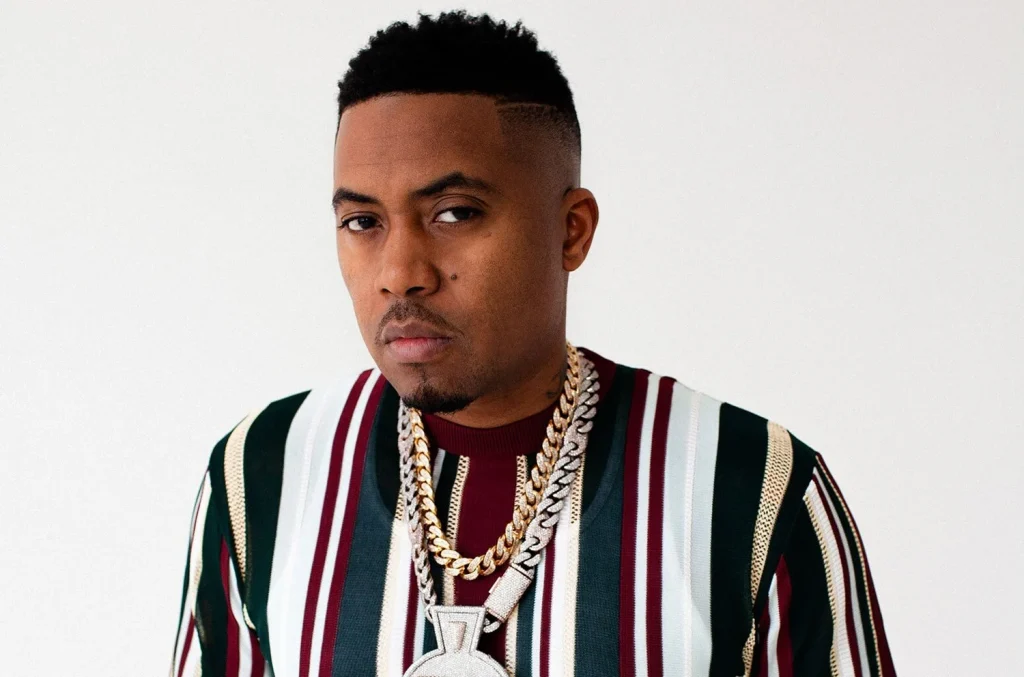
While the focus from fans and media stayed on albums, tours, and his rivalry-turned-legacy status, he was investing. Alongside his partners, he helped build QueensBridge Venture Partners, a firm named after his home projects, placing capital into early-stage tech and consumer companies with real long-term upside rather than quick flips. The firm�s strategy leaned toward high-growth startups across fintech, consumer hardware, and digital services, allowing Nas to move as a quiet player in rooms where most rappers had never even been invited.
Those investments included companies like Coinbase, Ring, Lyft, Dropbox, Genius, Casper, FanDuel, and PillPack�names that would later become category leaders or acquisition targets for giants like Amazon. The pattern wasn�t luck; it was consistent positioning in businesses that would eventually dominate their lanes, and reports have estimated that just his Ring and Coinbase bets alone generated eight-figure returns, turning the �street poet� into one of hip-hop�s most effective silent venture capitalists. He doesn�t talk about it much, which is exactly why it carries weight.
MC Hammer: The Cautionary Tale That Turned Into a Blueprint
MC Hammer�s early story is usually reduced to success followed by financial collapse. Born Stanley Kirk Burrell in Oakland, California, he grew up in a working-class family, danced in the parking lots outside Oakland Coliseum as a teenager, and eventually parlayed that hustle into becoming a batboy for the Oakland A�s, where he first got a front-row view of big money and big personalities. In the late 1980s and early 1990s, he built one of the biggest entertainment brands of the era with Please Hammer, Don�t Hurt �Em and the global smash �U Can�t Touch This,� along with massive tours, endorsements, and a full-blown entertainment empire.
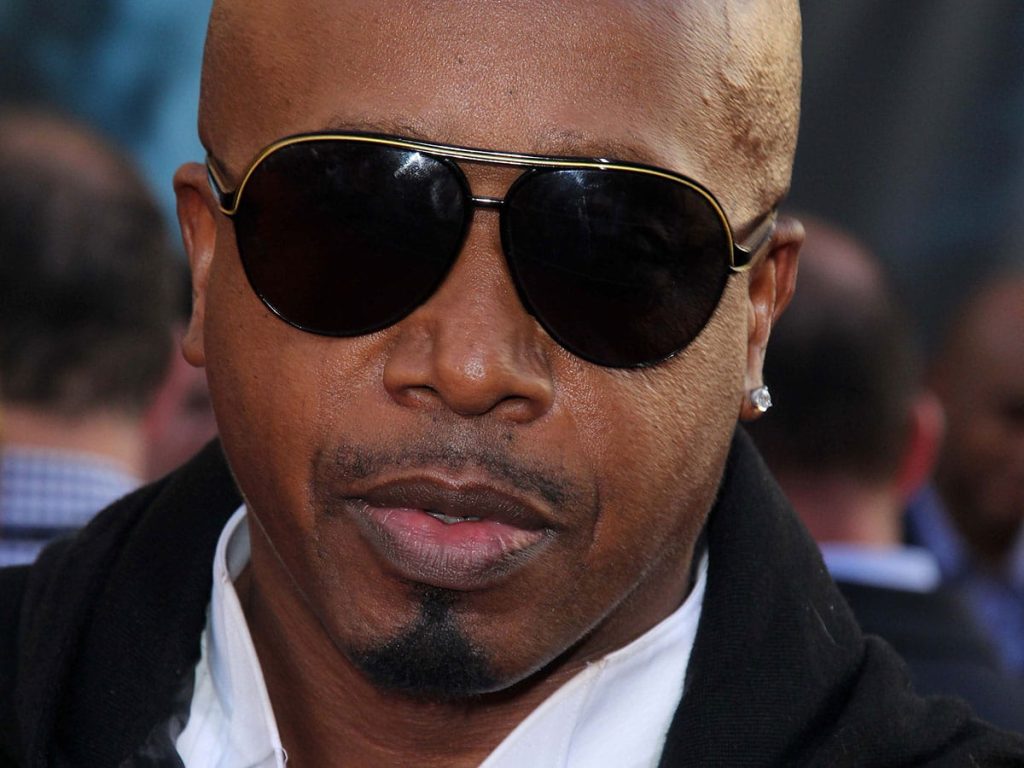
After the financial fallout and well-documented bankruptcy, he didn�t disappear; he repositioned. He moved into Silicon Valley circles, showing up to early tech offices�including YouTube when they were still above a pizza parlor�building relationships with founders and learning how digital platforms scale. He started working with startups not as a novelty figurehead, but as someone who understood how music, marketing, and culture could accelerate product adoption.
He became involved with companies like Bump Technologies, Square, and Twitter (now X), taking advisory and investment roles that leveraged his reach and experience. On a day-to-day basis he has described himself as loosely involved with multiple tech companies�advising, consulting, and investing�which turned his �cautionary tale� into a blueprint for second chances and long-term tech positioning, especially for artists who have taken financial hits but still have cultural capital.
Black Thought: The Scholar Who Went From Cyphers to Cap Tables
Black Thought built his reputation on precision and consistency. Born Tariq Luqmaan Trotter (often stylized as Tarik or Tariq) on October 3, 1973, in Philadelphia, he came of age in a city with a deep Black arts tradition and started rhyming in local cyphers and talent shows before forming The Roots with drummer Questlove. As the frontman of The Roots, he delivered decades of high-level live performance, acclaimed albums, and late-night television work, all while maintaining credibility with underground purists and mainstream audiences at the same time.
That same discipline translated into business. Instead of staying only in performance mode, he moved into investment, joining Impellent Ventures as a general partner and aligning with co-founders who focus on early-stage, high-growth companies. His role isn�t just symbolic; it puts him in the position to help evaluate founders, attract other limited partners, and lend cultural intelligence to companies that want to connect authentically with new audiences.
His focus is early-stage companies in overlooked markets and regions, aligning capital with opportunities that don�t always get attention from the biggest coastal firms. His presence adds credibility in rooms where signal matters, sending a message that serious artist-investors can be part of shaping tech ecosystems, not just reacting to them.
Future: The Trap Star Who Bets on the Next Wave
Future built a sound that defined a generation. Born Nayvadius DeMun Cash (later Nayvadius DeMun Wilburn) in Atlanta, he was raised around the legendary Dungeon Family collective, where he started as �Meathead� and absorbed game from pioneers like Organized Noize and Outkast before stepping into his own as a solo artist. Through a relentless run of mixtapes and albums in the 2010s, he developed an auto-crooned trap style that shifted mainstream hip-hop and influenced an entire wave of younger artists.
As his career scaled, so did his approach to business. Instead of relying solely on endorsements, shows, and streaming checks, he began looking at equity and investments in companies that appealed directly to his demographic�sports, gaming, and digital culture. That mindset reflects the same risk-taking he brought to his music, but now applied to ownership opportunities.
He joined investment rounds in companies like Underdog Fantasy, a fast-growing sports gaming and fantasy platform, alongside athletes and other high-profile investors. That move reflects a broader strategy: owning a piece of the ecosystem his fans spend time in, from betting apps to lifestyle brands, instead of just being the person soundtracking their experience.
E-40: The Bay Hustler Who Owns the Aisle
E-40 built his career independently, long before that was considered a strategy. Born Earl Stevens in Vallejo, California, he started out selling tapes out of car trunks, forming the group The Click, and turning his Sick Wid It Records imprint into a real regional powerhouse that gave him control over his masters, distribution, and narrative. That early independent grind made him one of the Bay Area�s most respected hustlers, both musically and entrepreneurially.

That mindset carried directly into business. In 2013, he entered the beverage space and began building what has become a full spirits and drinks portfolio, using his name, regional credibility, and distribution savvy to get product placement in major chains. He launched his Earl Stevens Selections wine line and quickly expanded beyond a vanity bottle to a true multi-category presence.
Today his beverage empire includes more than 15 still and sparkling wines, E. Cuarenta Tequila, Tycoon Cognac, Kuiper Belt Bourbon and Gin, Sluricane premixed cocktails, and E. Cuarenta Cerveza, along with a Tycoon Vodka that arrived in 2023. At the same time, he stepped into tech investments, aligning with platforms like Clubhouse and Convoz, extending a model built on ownership and distribution into digital spaces where he can once again control how culture meets product.
2 Chainz: Reinvention as a Business Model
2 Chainz rebuilt his brand at a critical point in his career. Born Tauheed Epps in College Park, Georgia, he first came up in the duo Playaz Circle under the name Tity Boi, scoring an early hit with �Duffle Bag Boy� before rebranding as 2 Chainz and launching a solo run that turned him into one of rap�s most charismatic personalities. That reinvention unlocked a second phase of his career that expanded his reach, image, and leverage with brands and fans.
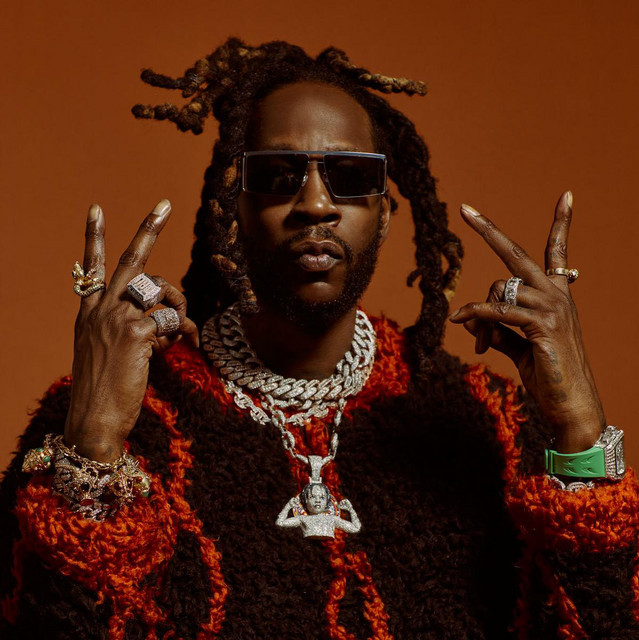
He translated that momentum into business ventures that align tightly with his public image, sense of humor, and Atlanta roots. He moved into real estate, buying properties and land as a foundation, then leveraged that into hospitality plays like Esco Restaurant & Tapas and the now-iconic �Trap House� activations that turned his aesthetic into an immersive physical experience. Those moves gave him both cash flow and hard assets, not just merchandise checks.
Over time, he�s diversified further�stepping into franchising, expanding his restaurant footprint, and experimenting with cannabis, nail salons, and other lifestyle ventures that speak directly to his core audience. That alignment is what turns attention into consistent revenue: every new business feels like an extension of the 2 Chainz brand, not a random side hustle.
La La Anthony: From VJ to Executive Producer
La La Anthony built early visibility through radio and television, becoming a recognizable presence on MTV. Born Alani Nicole V�zquez (now Anthony) on June 25 in Brooklyn to Puerto Rican parents, she first broke into media as a teenager on Atlanta�s Hot 97.5 before landing as an MTV VJ on Total Request Live, where she became one of the faces of early-2000s youth culture. That run gave her experience in live TV, interviewing, and production�skills that became building blocks for her later moves.

She transitioned into ownership roles, focusing on production, fashion, and strategic partnerships instead of just on-screen hosting. La La has executive-produced reality shows, acted in scripted series like Power, written books such as The Love Playbook, and launched fashion and cosmetics collaborations that put her on the business side of deals rather than only the talent side. Each step has been about turning her visibility into control over IP and creative direction.
She also built a lane as a producer and brand partner, curating projects and campaigns that target Black and Latin audiences across TV, streaming, and social platforms. That shift moved her from talent to decision-maker, changing the economics entirely by giving her a stake in ownership, backend points, and long-term brand equity.
Ludacris: From Radio to Revenue Streams
Ludacris built leverage across multiple industries, starting in radio, moving into music, and expanding into film and business. Born Christopher Brian Bridges on September 11, 1977, in Champaign, Illinois, he moved to Atlanta as a teenager, worked as a DJ on local station Hot 97.5 under the name Chris Lova Lova, and then parlayed that exposure and network into a rap career that would make him one of the defining Southern stars of the early 2000s. From the beginning, he treated each phase�radio, music, and film�as a platform to launch the next one.
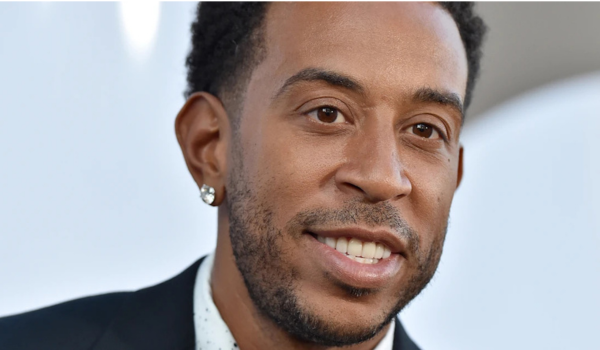
His portfolio includes consumer products, media ventures, and strategic investments. He co-founded the Disturbing Tha Peace record label in 1998, turning it into a successful imprint and eventually a subsidiary under Def Jam, giving him both executive and artist roles. He later launched Conjure Cognac, partnered on a Signeo headphone line, opened restaurants like Chicken + Beer, and built his entertainment media company around the Karma�s World animated franchise, which landed on Netflix.
Each move extends his platform instead of relying on a single lane, stacking music, TV, film, children�s content, spirits, and hospitality into a portfolio built for longevity. The pattern across all of these moves is clear: ownership and equity create staying power, while visibility alone does not.