Clive Davis, one of the most consequential record executives in modern music, has died at 94.
Across Columbia, Arista, and J Records, Davis helped shape radio, the charts, artist development, and the sound of popular music for generations. His influence reached far beyond one label, one genre, or one era. He was a lawyer who became a record executive, a label head who became a music institution, and a man whose decisions helped define careers that changed the business.
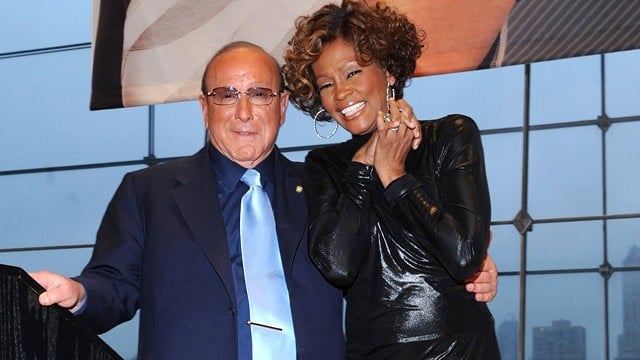
What made Clive different was not simply that he had a good ear. Plenty of executives have claimed that. What separated him was that he understood how talent, timing, culture, radio, marketing, and corporate machinery had to work together. He knew how to take an artist from promise to power, and he understood that the right support system could turn a great voice, a great song, or a great idea into a lasting legacy.
He Saw Black Music as Central, Not Secondary
One of the most important parts of Clive Davis’ legacy is what he did for Black music, Black artists, Black-led labels, and Black industry brands at a time when the wider industry was often slow, hesitant, or unwilling to recognize their full value. Clive understood something many executives were late to accept: Black music was not a side category. It was one of the engines of the entire music business.
That understanding showed up in the artists he believed in, the labels he supported, and the platforms he took seriously. He did not treat Black music as something to be used when convenient and ignored when uncomfortable. He understood that Black creativity was shaping the future of popular music, and he put major-label power behind that belief.
That mattered because the industry has often had a complicated relationship with Black culture. It has profited from it, depended on it, marketed it, repackaged it, and exported it around the world, while still questioning the value of Black-owned platforms, Black executives, Black programmers, Black publishers, and Black media. Clive was not perfect, and no executive of his magnitude has a simple legacy, but he was not one of the people who failed to see the value of the culture.
Betting on Black Leadership
Clive helped give major-label reach to Black-led imprints and creative executives who went on to define entire eras. LaFace, led by L.A. Reid and Babyface, became one of the most important homes for R&B, pop, and hip-hop culture. Bad Boy, through Sean “Puffy” Combs, became one of the defining labels of the 1990s and helped move hip-hop deeper into the mainstream.
Those were not small decisions. Those were major bets on Black creativity, Black leadership, and Black cultural vision. At a time when many companies were still cautious about how much power to give Black executives and Black-led labels, Clive helped provide the machinery that allowed those brands to grow, compete, and dominate.
LaFace gave the industry artists and records that helped define a generation. Bad Boy helped change the commercial direction of hip-hop and expanded what a Black-led entertainment brand could become. Those labels were not simply successful because they had hits. They were successful because they had vision, identity, leadership, and enough corporate support to compete on a major stage. Clive understood the importance of that support.
What Crossover Really Meant
For many Black artists, crossover was never simply about chasing pop acceptance. It was about access. Access to bigger radio, bigger budgets, stronger promotion, wider touring opportunities, greater catalog value, and the kind of mainstream recognition that could change a career, a family, and a legacy.
Clive understood that. He knew how to take artists rooted in Black culture and help them reach the widest possible audience. When handled correctly, crossover did not have to mean abandoning the culture. It could mean carrying the culture into spaces that had previously ignored it, underestimated it, or profited from it without fully respecting it.
Artists such as Whitney Houston, Aretha Franklin, Luther Vandross, Alicia Keys, Toni Braxton, Usher, TLC, OutKast, and others were part of a larger story in which Black music did not simply cross over. It reshaped the center. Clive helped create the conditions for that to happen, and that is one of the reasons so many artists, executives, producers, and industry professionals owe him a measure of gratitude.
His support translated into careers, revenue, visibility, credibility, and long-term cultural impact. He helped create space for Black artistry to be treated not as a niche, but as a force. In an industry where access has always mattered, Clive was often willing to open doors that others either ignored or kept closed.
Why His Support of Radio Facts Mattered
On a personal note, Clive was also an avid reader and supporter of Radio Facts. That mattered to me because, in this industry, Black-owned industry brands have not always been welcomed, respected, or supported by the very corporations that profit from Black culture.
I have seen situations where white executives questioned why Black divisions were supporting a Black-owned platform like Radio Facts. That was the reality then, and in many ways, it is still the reality now. But Clive Davis was not one of those executives. He was better than that.
He was not one of the people who held Black industry brands back. He did not treat Black-owned media as something that needed to be explained, justified, or defended. He understood its value. Through J Records and several of our special issues, Clive supported Radio Facts, read the work, and paid attention. I could tell through our research and interactions that he was not just glancing at the brand. He was reading it. He understood its place in the industry.
That kind of support meant something because it was not performative. It was not a slogan, a favor, or corporate charity. It was respect. Clive recognized that Black industry platforms were part of the business ecosystem. They were not outsiders asking for permission. They were necessary voices documenting, analyzing, and serving the culture that helped power the industry.
He Recognized the Infrastructure Around the Music
That is an important distinction in understanding his legacy. Many executives supported Black artists once the numbers made it impossible not to. Clive’s impact went deeper than that. He paid attention to the infrastructure around the music: the artists, the executives, the labels, the media, the radio community, the tastemakers, the independent promoters, the DJs, the program directors, the writers, and the entrepreneurs who helped move records and shape public perception.
Black music has never existed in isolation. It has always moved through a network of people and platforms that often worked without the institutional support they deserved. Radio stations broke records. DJs created momentum. Trade publications documented the movement. Black-owned media gave context to what the mainstream often misunderstood or ignored. Clive seemed to understand that ecosystem better than many of his peers.
That is why his support of Black artists and Black industry brands should be part of the conversation about his legacy. It was not just about who he signed. It was also about what he recognized. He saw the culture, the business, and the machinery around the music, and he understood that all of it mattered.
A Complicated but Undeniable Legacy
No executive of Clive Davis’ magnitude leaves behind a simple legacy. There were controversies, hard decisions, public criticisms, and artists who may have experienced his power in different ways. That is part of the record, and no serious look at his career should pretend otherwise.
But the impact is not in dispute. Clive Davis changed the business. He changed careers. He helped move Black music from the margins of corporate comfort into the center of global popular culture. He gave platforms to artists, executives, and labels that helped define generations.
And in my own experience, he showed respect for a Black-owned industry brand when many others in the business still did not understand why that mattered. That should be remembered, because support like that was not automatic then, and it still is not automatic now.
I send sincere condolences to his family, his artists, his colleagues, and everyone whose life or career was changed by his decisions.
Clive Davis understood something the industry still struggles with today: Black culture is not an accessory to the music business. It is one of the engines of it. And when he chose to back that engine, he helped change the sound of the world.