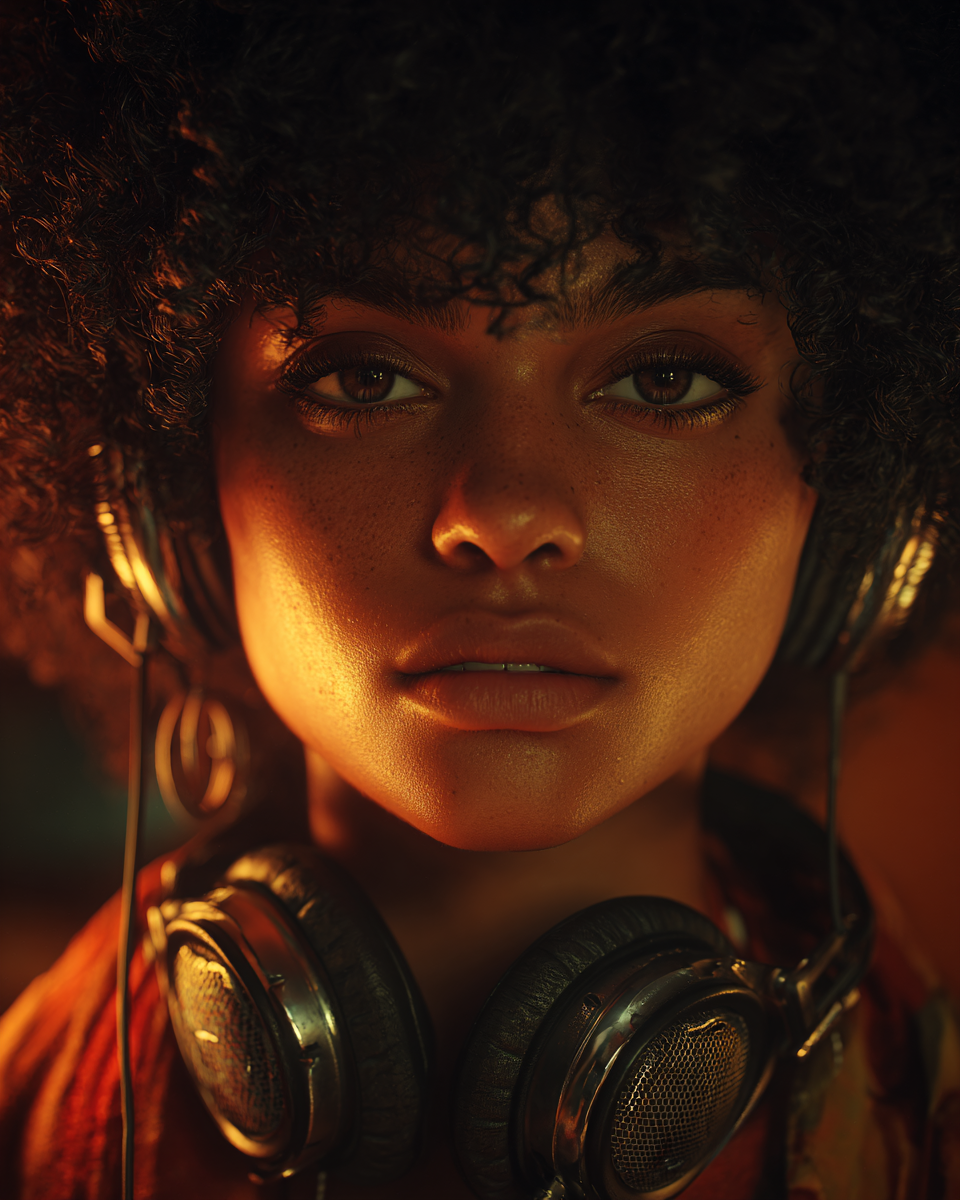
Deezer reports a staggering 60,000 AI-generated songs are uploaded to its platform each day, with Spotify’s overall daily uploads estimated to exceed 100,000. This influx of AI music raises significant questions about user experience and content management for streaming services. While the rapid growth of AI-generated music could be viewed as a challenge, Spotify’s leadership has indicated that a larger catalog can attract new users and enhance engagement.
Spotify has yet to impose specific regulations on AI-generated content, opting instead for broader penalties related to impersonation and artificial streaming. The platform’s stance reflects a strategic decision to avoid alienating users by limiting catalog growth, even as the public debate intensifies over the role of AI music in the streaming landscape. Stakeholders within the music industry, including major labels and listening platforms, remain divided on how to approach this evolving issue.
Universal Music Group’s ongoing legal discussions with AI music platform Suno highlight the complexities surrounding content creation and copyright infringement. UMG’s digital chief has expressed concerns regarding Suno’s refusal to create a ‘walled garden’ for its music, which has become a focal point in the ongoing litigation. In contrast, Udio’s recent settlement with UMG involved adopting such a model, although it faced backlash from users who felt betrayed by the restrictions it imposed.
As the conversation around AI music continues, it is clear that the industry is grappling with fundamental questions about control, empowerment, and the future of music creation and distribution. Bandcamp has taken a firm stance against AI-generated music, instituting a ban on songs created using generative technology. Meanwhile, discussions around anti-dilution policies, which aim to protect artist royalties from being diluted by AI content, are gaining traction as a potential solution to the challenges posed by the AI music surge.