
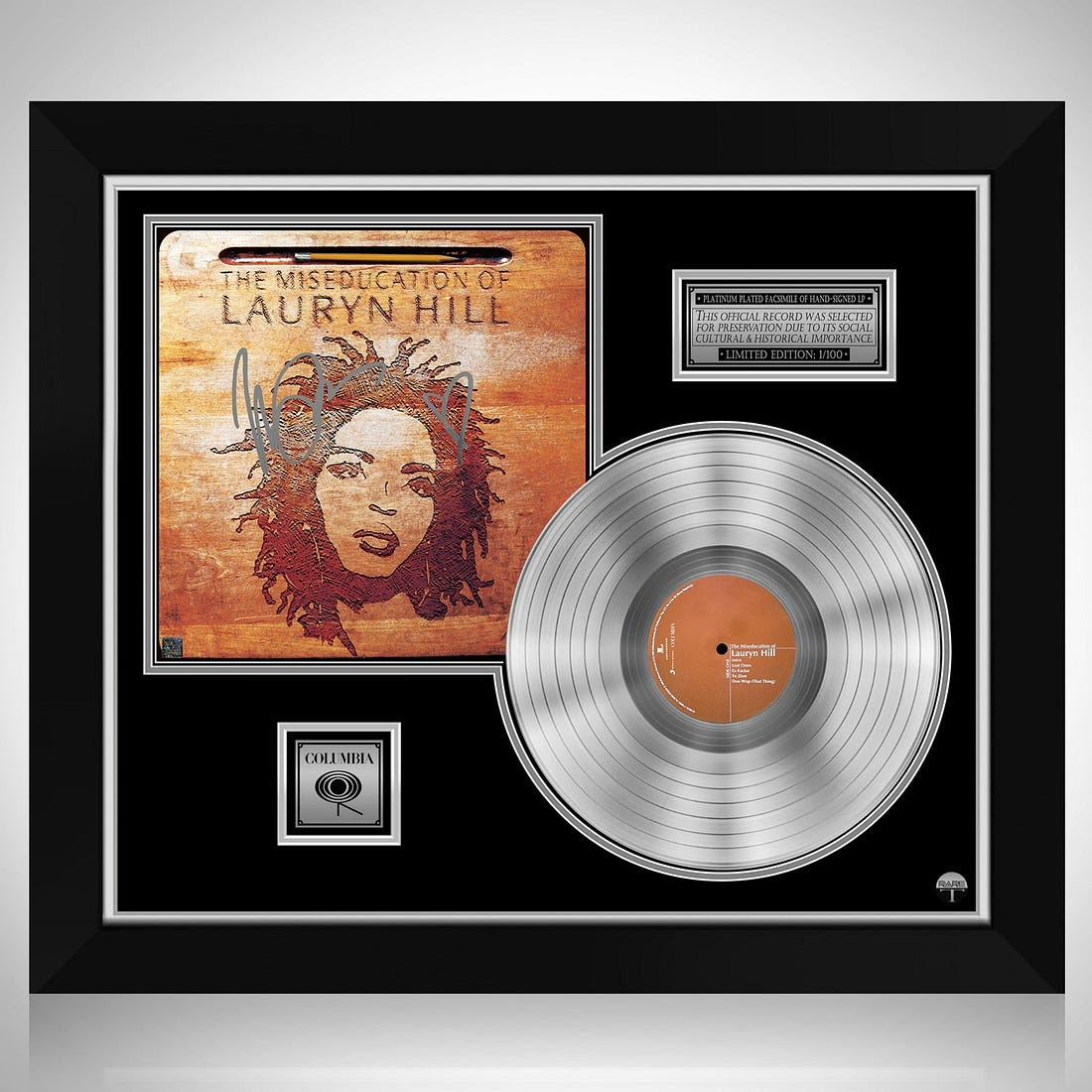
James Andrews, a former senior marketing executive in Black Music at Columbia Records, raises a question about the global economics of music. If a record from the 90s can still move a room thousands of miles from where it was created, how should the value of that culture move with it?
It�s been one of those weeks where the world is louder than your own thoughts.
I�m in a Bangkok coffee shop. Fluorescent calm. Laptops. Quiet flexing.
And then Maxwell�s Ascension comes on like it owns the room.
That record is a timestamp for me.
Most people hear �90s R&B.�
I hear: somebody built a life off this record.
Not as a brag.
As proof.
Because music is not just a vibe.
It�s labor. It�s commerce. It�s a life somebody actually lived.
I�ve got a line I always say when a song that I was associated with from that era comes on.
I nod to myself and go:
That song paid some bills around this house.
Again. Not a flex.
A receipt.
In the 90s I was a senior marketing executive in Black Music at Columbia Records. Nas. Lauryn Hill. The Fugees. Maxwell. Those weren’t just hit records. That was the soundtrack to a decade.
But sitting here, something else lands.
What if the song wasn�t just playing in Bangkok.
What if it was paying in Bangkok.
Right now.
Not �somebody somewhere is collecting.�
Not a black box of reporting cycles and middle layers and hope-and-pray math.
A clean line between culture and compensation.
Because I keep coming back to the same thought:
What if The Miseducation of Lauryn Hill was an LLC?
Not the artist.
Not the label.
The work.
What if the album itself was a living entity.
With ownership.
With governance.
With upside.
With a cap table that didn�t require you to be �in the industry� to participate.
Because fandom is already doing the work.
People invest with attention.
With identity.
With their feet when they show up.
With money when they buy the ticket, stream the song, wear the merch, post the clip, bring a friend, keep the record alive long after release week is over.
The current system lets everybody participate in the moment.
It does not let everybody participate in the value.
And I don�t think that�s the final form.
The independent era already proved something important:
You don�t need permission to make the record.
You don�t need a label to find your people.
You don�t need a gatekeeper to build a real economy around your art.
So the next chapter isn�t just �independence.�
It�s completion.
Not independence from the system.
A new system entirely.
One where you cut the record in the studio, you play it in your set that weekend, the room goes crazy, and that energy isn�t just applause.
It�s contribution.
Where the fan who was there for the first show, the first drop, the first moment can be part of the arc.
Not the hype.
The arc.
The edit.
The stem pack.
The live version.
The behind-the-scenes.
A real stake in the work the same way they already have a real stake in the culture.
Messy models are coming.
Beautiful models too.
Some will fail loudly.
Some will quietly change everything.
That�s what I�m here to figure out.
Not how to squeeze more out of the audience.
How to build the world where artists make art, people genuinely live in it, and the economics finally match the truth everybody feels when the record hits:
This matters.
This moves me.
I want to be part of it.
The song has always moved through the room.
The value should move with it.
Read More of James Andrews’ writing here