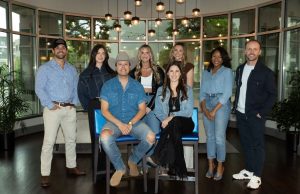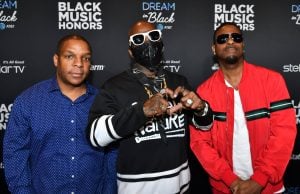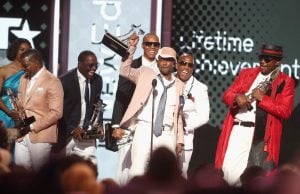
A diverse coalition of artists, entertainers, music industry figures, and academics has come together to contest the use of rap lyrics in the sentencing phase of a capital trial in Dallas County. This group includes notable figures such as Grammy Award-winning rapper Killer Mike, Young Thug, T.I., actor Anthony Anderson, and music executive Kevin Liles. Their collective effort is encapsulated in an amicus brief that argues the inappropriate reliance on artistic expression to justify a death sentence.
The initiative has garnered support from a total of 30 artists and scholars, along with six arts organizations, highlighting the widespread concern within the creative community regarding the implications of such legal practices. Leading this charge is Professor Erik Nielson, a prominent expert in hip-hop culture, who has been instrumental in articulating the coalition’s stance.
The brief calls on the U.S. Supreme Court to reject the notion that rap lyrics can serve as evidence of a defendant’s potential danger to society, a critical factor that Texas juries must consider when deciding on the imposition of the death penalty. The document asserts that the prosecution’s use of defendant James Broadnax’s lyrics was an attempt to exploit racial biases and anti-rap sentiments among jurors, thereby undermining the fairness of the trial.
Chad Baruch, a Texas appellate attorney and lead counsel for the brief, emphasized the artistic nature of rap lyrics, stating, “Rap lyrics are creative expression. When prosecutors treat them as literal evidence of future violence, they invite jurors to decide a death-penalty case based on fear and stereotypes instead of the law.” This perspective underscores the potential dangers of conflating artistic expression with criminal intent.
Furthermore, the brief points out that the exclusion of Broadnax’s lyrics during the guilt/innocence phase of the trial suggests that the state itself recognizes their lack of relevance to the case. As the execution date for Broadnax approaches on April 30, the coalition’s efforts highlight a critical intersection of art, justice, and societal perceptions that warrants ongoing discussion.