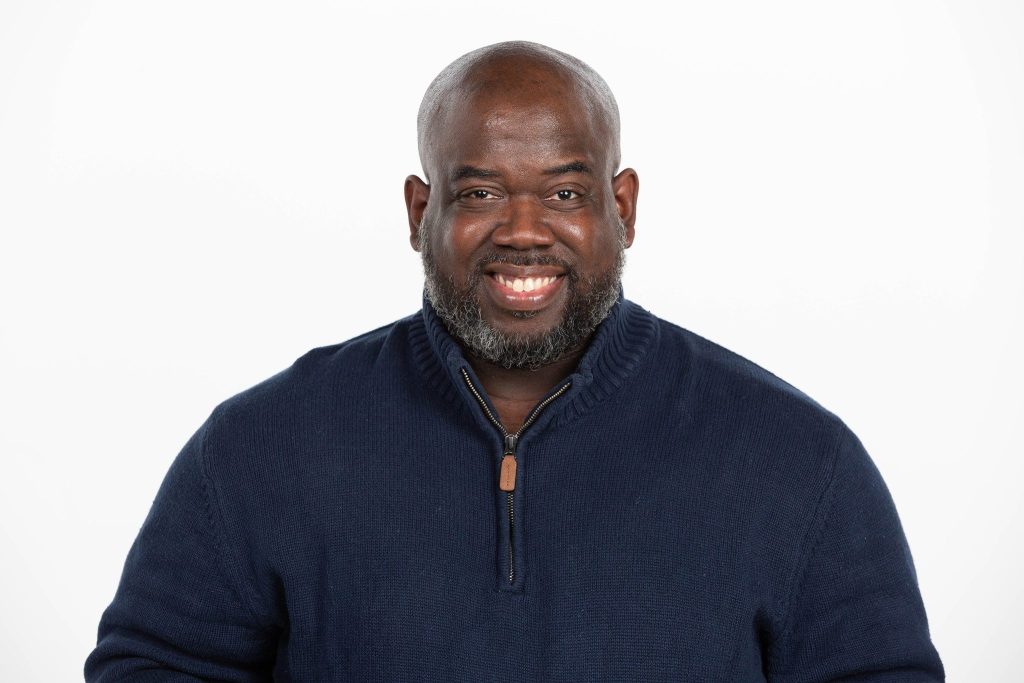
In a recent discussion as part of the “Future in Focus” series, Justin Sasso, president and CEO of the Colorado Broadcasters Association (CBA), shared his insights on the radio industry’s challenges and opportunities heading into 2026. Sasso emphasized the importance of the AM Radio for Every Vehicle Act, stating that it was more than a legislative initiative; it represented a crucial fight to ensure free, local radio remains a staple in everyday life. He noted the unprecedented unity among broadcasters of all sizes in Colorado, highlighting that local radio continues to be vital for communities, especially in times of crisis, like wildfires or severe weather events.
Sasso pointed out that the industry’s biggest technological challenge in 2026 will revolve around artificial intelligence (AI). Rather than a threat to jobs, he sees AI as a tool that can alleviate the burdens of research and content sourcing for broadcasters. By automating these tedious tasks, he believes that radio professionals will have more time to focus on creativity and community engagement. He emphasized that those who embrace AI as a means to enhance their operations will lead the way into the future.
Looking ahead, Sasso’s priority for the next year is evolving the CBA from a traditional broadcasters’ association to a broader media association to reflect the changing dynamics within the industry. As member organizations diversify into digital mediums, podcasts, streaming content, and social media, Sasso aims to create an association that better represents these shifts and advocates for all forms of local media. This approach, he believes, will strengthen local media and its ability to serve communities profoundly.
In discussing the future of radio, Sasso predicted a widening gap between metropolitan and rural areas. In urban centers, radio will need to carve out a niche amidst a crowded marketplace, while in rural areas, the medium’s role will become increasingly critical as local newspapers disappear and access to information becomes more limited. Ultimately, he foresees a future where the most successful stations will be those that leverage their local strengths across multiple platforms rather than trying to compete with streaming services.
Sasso concluded with a reminder of the significant role state broadcast associations play in advocating for the interests of radio stations. He urged broadcasters to remain engaged and support their associations, as their presence is essential in shaping policies that affect the industry. In his view, the fight for the future of free, local media continues, and sustaining these efforts is crucial for the upcoming changes in the radio sector.