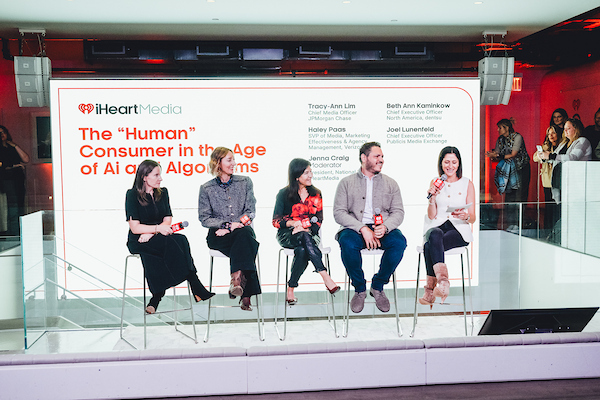
A recent study by iHeartMedia, titled AudioCon 3.0: The Human Consumer, highlights growing concerns among American consumers about the societal impact of AI, digital fatigue, and the desire for authentic human connection. The study provides valuable insights for marketers on how to create advertising strategies that resonate with audiences in today�s technology-driven, fragmented media landscape.

The study reveals that 82% of Americans worry about AI�s impact on society, and 90% believe it�s important for the media they consume to be created by real people. The research suggests that consumers are emotionally driven, but digital overload has made it harder for them to form meaningful connections, leading to conflicting behaviors where people yearn for authenticity but feel overwhelmed by constant phone use.
Lainie Fertick, President of Insights for iHeartMedia, explained that the findings point to a consumer base struggling with digital fatigue and seeking ways to build trust and engage in more authentic interactions. As technology advances rapidly, particularly in AI, this presents both challenges and opportunities for brands trying to connect with their audiences.
The study also uncovered several trends about the evolving consumer landscape:
Children�s Independence: In today�s tech-centric world, children are finding it harder to assert their independence. 61% of children aged 8 to 12 have never made plans with a friend, while 45% have never wandered even a few aisles away from their parents in a store. At the same time, 70% of children stay up late using devices like tablets, phones, or game consoles.
The Disconnect from Social Media: Despite the fact that 92% of consumers use social media, two-thirds of them report that it makes them feel worse and more disconnected. Many believe that social media is pushing people apart, and higher-income consumers are particularly frustrated by the prevalence of ads over personal content.
Distrust in Online Information: Consumers are increasingly aware of the algorithms shaping their views. 82% report that the media they consume often reflects their existing beliefs, and a majority (86%) feel they are seeing more ads in their social media feeds than ever before, with family posts being sidelined by ads.
The Desire for Simplicity: 42% of consumers expressed a desire for a “dumbphone” to disconnect from the complexities of modern smartphones. This trend is especially pronounced among higher-income groups, with a significant year-over-year increase in interest in flip phones.
Political and Social Divides: The study highlights how media is deepening divides on key societal issues. For example, the COVID-19 response showed a clear split: 57% of people saw government intervention as necessary, while 43% felt it was an overreach. Similarly, opinions on the #MeToo movement, ICE raids, and other political events reveal differing perceptions based on factors like location and culture.
The Fear of AI: While 97% of consumers know what AI is, and 70% use AI tools, many remain distrustful. A large portion (75%) is uncomfortable with AI�s role in media, and 67% fear AI might one day go to war with humans. Additionally, 66% are worried about job losses due to AI, with Gen Z and lower-income groups expressing the most concern.
The Importance of Human Connection: The study confirms that consumers crave genuine human interaction, with 86% feeling safer in the presence of others. In contrast, only 9% believe that AI can replicate this trust. The desire for deep, meaningful relationships is still strong, with 95% of consumers agreeing that it feels good to know someone cares, a connection they believe technology cannot replace.
For marketers, these insights underscore the importance of balancing technology with human touch. While precision-targeted ads can be effective, it�s essential to incorporate live, human-driven media experiences that foster trust and empathy. Campaigns that emphasize authentic, real-world connections can resonate more deeply with audiences, especially when paired with strategic media buys and conversational channels.
#AIImpact #HumanConnection #DigitalFatigue #Authenticity #SocialMediaDisconnect #MarketingTrends #ConsumerBehavior #DigitalOverload #TechFatigue #MeaningfulRelationships