
Black Comedians Who Paved the Way
Black comedy is one of the first original American art forms. Long before Hollywood decided who was �marketable,� white performers used blackface and minstrelsy to profit from distortion. That system cracked the door. Black comedians walked through it and built careers anyway, often on the brutal �chitlin� circuit� and TOBA (Tough on Black Asses) routes that underpaid and overworked them while they perfected the craft.
Moms Mabley Was the First Recognized Black Stand-Up Comedian
Moms Mabley (born Loretta Mary Aiken, March 19, 1894 � May 23, 1975) was a gay/bisexual woman who worked minstrel and vaudeville shows in the 1920s and 30s, disguising sharp social commentary behind the persona of an elderly woman. That disguise wasn�t accidental. It was strategy, allowing her to talk about racism, lynching, and gender without being seen as a direct threat.
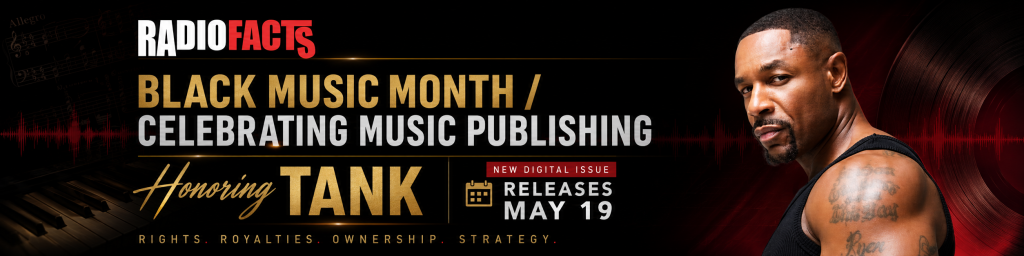
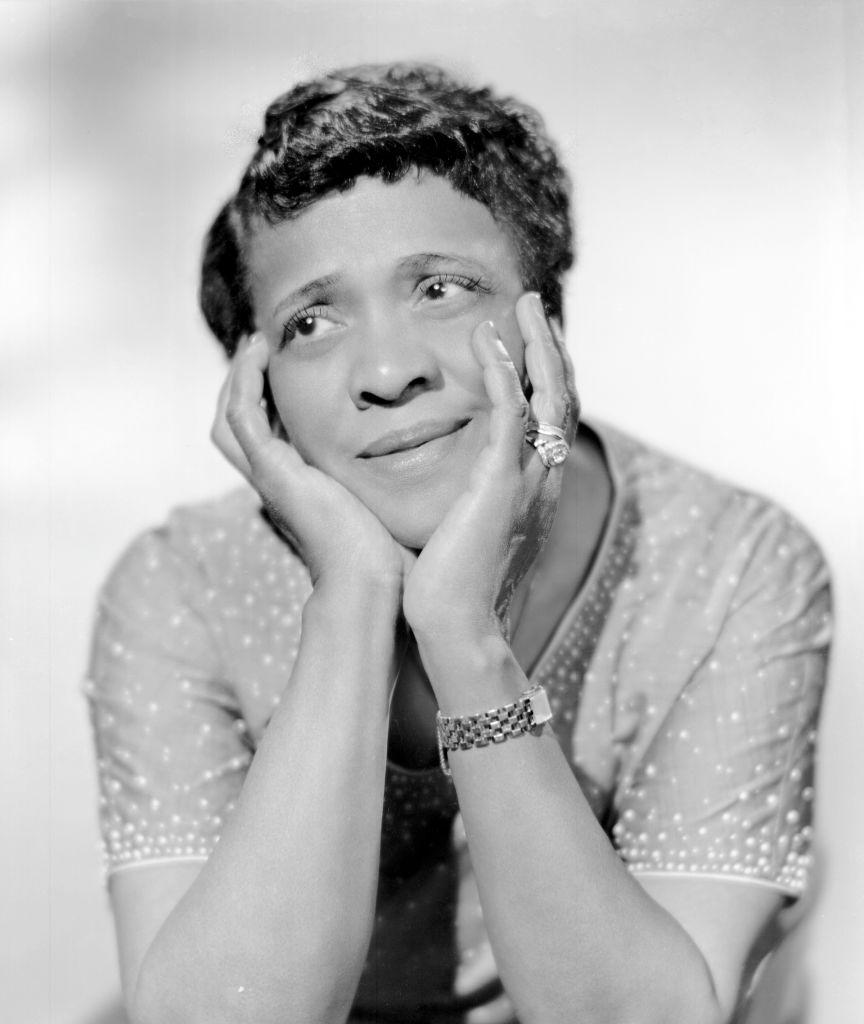
In 1939, she became the first female comic to perform at the Apollo Theater, then later played Carnegie Hall and mainstream television variety shows. She became a top draw at the Apollo, reportedly earning up to $10,000 a week, a remarkable figure for a Black woman comedian of that era. Her comedy recordings appeared on Chess Records, Motown Records, and Verve Records, treating stand-up as catalog, not novelty. In 1969, her recording of �Abraham, Martin and John� reached No. 35 on the Billboard Hot 100, making her�at roughly 75�one of the oldest artists ever to land a U.S. Top 40 hit.
In mixed theaters, Black audiences were seated in the balcony and were not allowed to laugh until white patrons laughed first.
Party Records Existed Because of Black Comedians
That balcony rule wasn�t just insulting. It was control. So comedy moved into homes, bars, lodges, and back rooms on records that never touched mainstream radio.
Redd Foxx (born John Elroy Sanford, December 9, 1922 � October 11, 1991) dominated party records with roughly 50 releases, primarily through Dootone Records (later Dooto) and later Laff Records. Early on, he was paid just $25 for his first recording, yet his albums sold thousands of copies on college campuses and in under?the?counter record racks, quietly building a national fanbase. His records sold in back rooms and record shops long before television caught up.
Foxx transitioned from a washtub band and burlesque comedy between strip acts to Las Vegas headliner, then to national fame with Sanford and Son after appearing in the film Cotton Comes to Harlem and catching Norman Lear�s attention. Financial problems and tax issues kept him working nonstop. He died of a heart attack on the set of The Royal Family, collapsing during rehearsal in a moment that blurred the line between his famous fake heart attacks on TV and the real thing.
Rudy Ray Moore Took Comedy Underground and Built His Own System
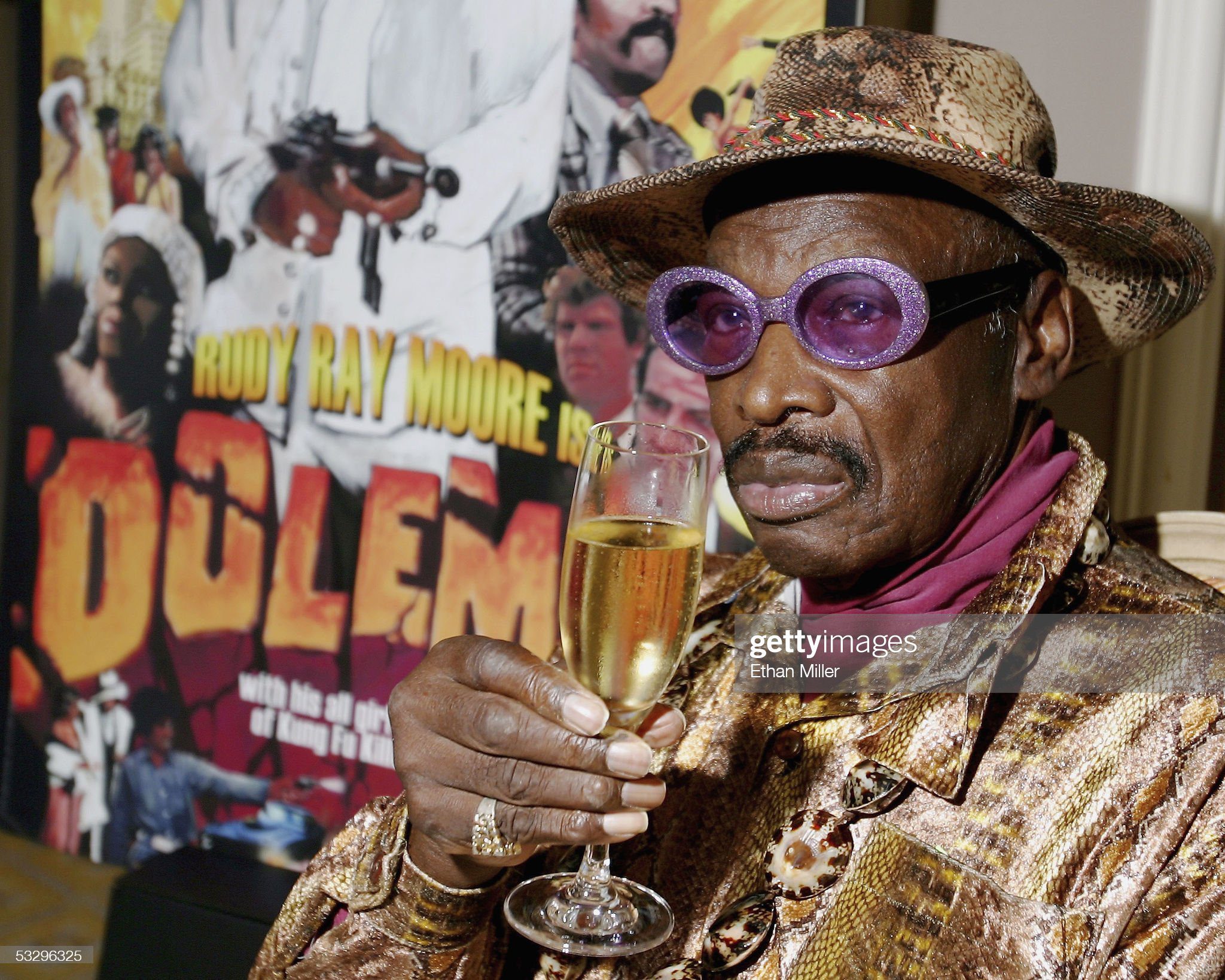
Rudy Ray Moore (March 17, 1927 � October 19, 2008) wasn�t designed for approval. He collected street toasts, hustler rhymes, and front?porch stories, then reworked them into routines that sounded more like underground folklore than nightclub patter. His records were hidden from parents and passed hand to hand. He self?released much of his early work out of his car trunk and through mom?and?pop stores, later distributing through Laff Records once he had already proven there was an audience.
Moore�s alter ego, Dolemite, toured nationally and financed independent films that blended kung fu, street vernacular, and raw sexuality on budgets Hollywood would have considered impossible. His routines and rhyme structure directly influenced early hip-hop cadence, later acknowledged by artists like Snoop Dogg and Big Daddy Kane, who cited him as a blueprint for braggadocious storytelling over beats. Long before �independent� was a marketing term, he was pressing his own records, owning his masters, and using that money to put his vision on screen.
Dick Gregory Forced Comedy Into American Living Rooms
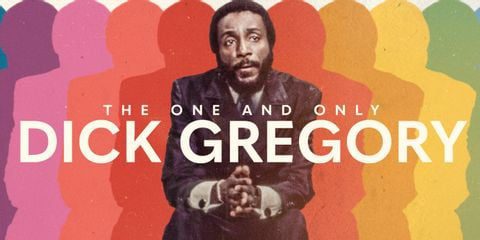
Dick Gregory (October 12, 1932 � August 19, 2017) broke through after Hugh Hefner booked him at the Playboy Club in Chicago in 1961, initially as a one?night fill?in for a white comic who didn�t want to work every night. His performance for a mostly white corporate audience went so well that a three?week booking stretched into a three?year run, and Time magazine called him �the first Negro comedian to break into the nightclub big time.�
His spoken-word and comedy albums were released on Vee-Jay Records, one of the first Black-owned labels with national distribution, which helped his civil-rights?driven material travel. When he appeared on The Tonight Show in 1962, he insisted on sitting on the couch with Jack Paar after his set�something no Black comic had done�which led to phone lines and mailbags filling up with viewers reacting to a Black father casually talking about his children on national TV. Gregory then pushed deeper into activism, marching, fasting, and fundraising across the civil rights and anti?war movements.
Television Didn�t Understand Black Comedy Until Flip Wilson
Flip Wilson (February 8, 1933 � November 25, 1998) was personally recommended to Johnny Carson by Redd Foxx, a quiet handoff from party?record royalty to network television.
The Flip Wilson Show premiered in 1970. For one hour of prime time, Wilson controlled the room as the first Black entertainer to host a successful network variety show built around his name, winning two Emmy Awards and a Golden Globe during its run. His characters, especially Geraldine Jones with her �What you see is what you get� catchphrase, attracted huge multiracial audiences and forced NBC to admit a Black?led comedy show could dominate ratings. His comedy albums were released on Little David Records, a Warner Communications imprint created specifically to monetize stand-up as a serious product.
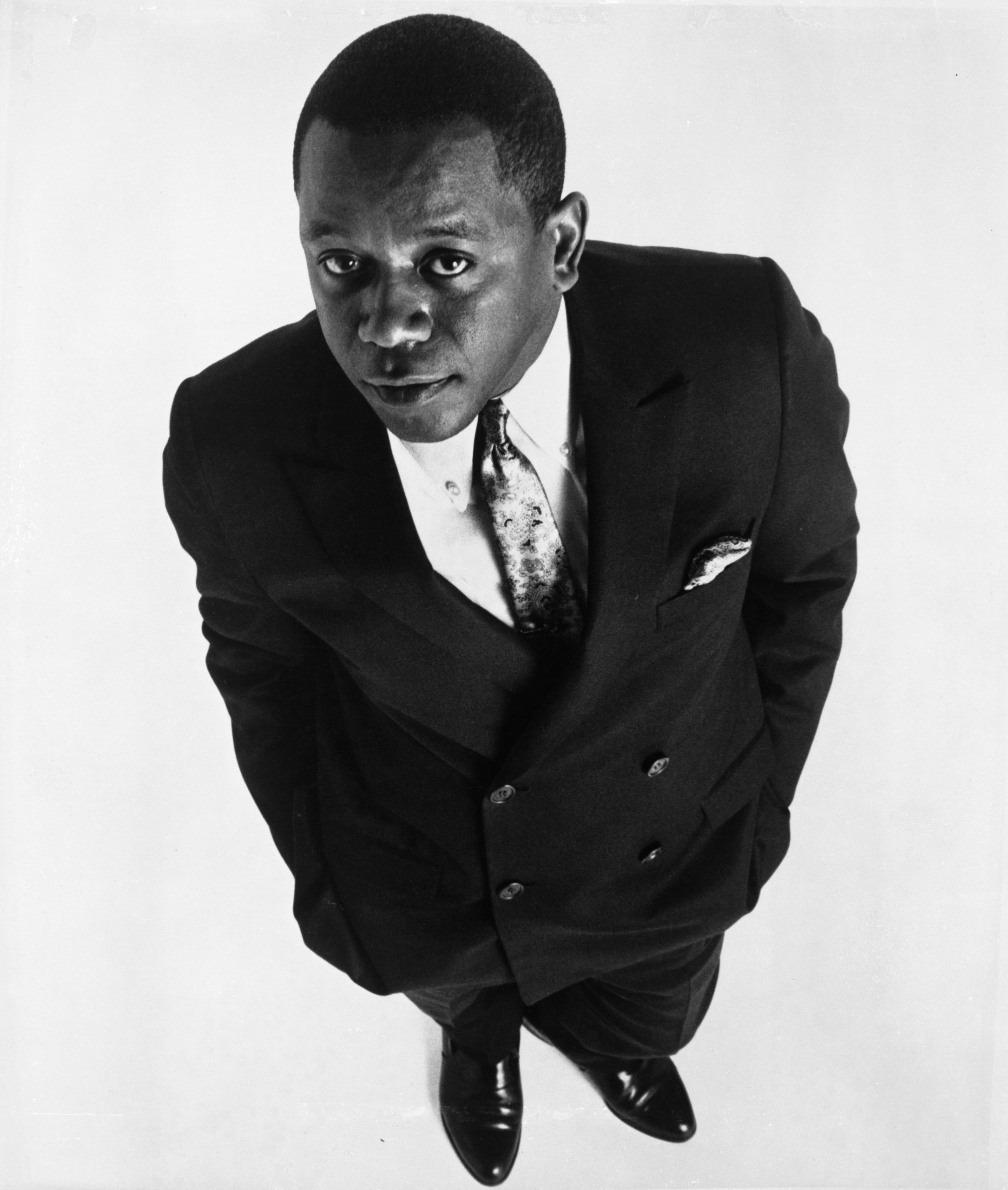
Sanford and Son Introduced LaWanda Page to Television
LaWanda Page (October 19, 1920 � September 14, 2002) was already a raw stage comic and party-record veteran before becoming Aunt Esther. Her recordings appeared on Laff Records and other underground labels, with routines so explicit that many albums were sold strictly in adult?oriented shops or kept behind the counter.
She brought church cadence, blue language, and physical comedy into a sanctified character who could cut Fred Sanford down with a single line. She survived multiple eras�from chitlin� circuit clubs to 1970s sitcoms to later film and TV cameos�without softening her edge, proving that a raunchy club comic could become a beloved television presence without completely abandoning her voice.
Richard Pryor Reset Stand-Up Permanently
Richard Pryor (December 1, 1940 � December 10, 2005), initially a singer and a clean comedian modeled on Bill Cosby, walked away from a comfortable mainstream path in the late 1960s to rebuild his voice in Black clubs. When he returned, his act was brutally honest about racism, drugs, sex, and his own upbringing in Peoria, Illinois. His defining albums were released on Reprise Records under Warner Bros., including Grammy?winning sets like That Nigger�s Crazy and �Is It Something I Said?, which went platinum and treated stand-up like serious recorded art.
Those recordings turned stand-up into premium catalog instead of throwaway filler and made him a global star despite controversy and censorship. In 1980 he survived a near?fatal freebasing accident that became part of his later material, and in 1998 he received the first Mark Twain Prize for American Humor, putting a former chitlin�?circuit comic at the top of the country�s official comedy canon. Addiction and illness ended his life, but not his influence; almost every modern stand-up who mixes confession and social critique is drawing from his blueprint.
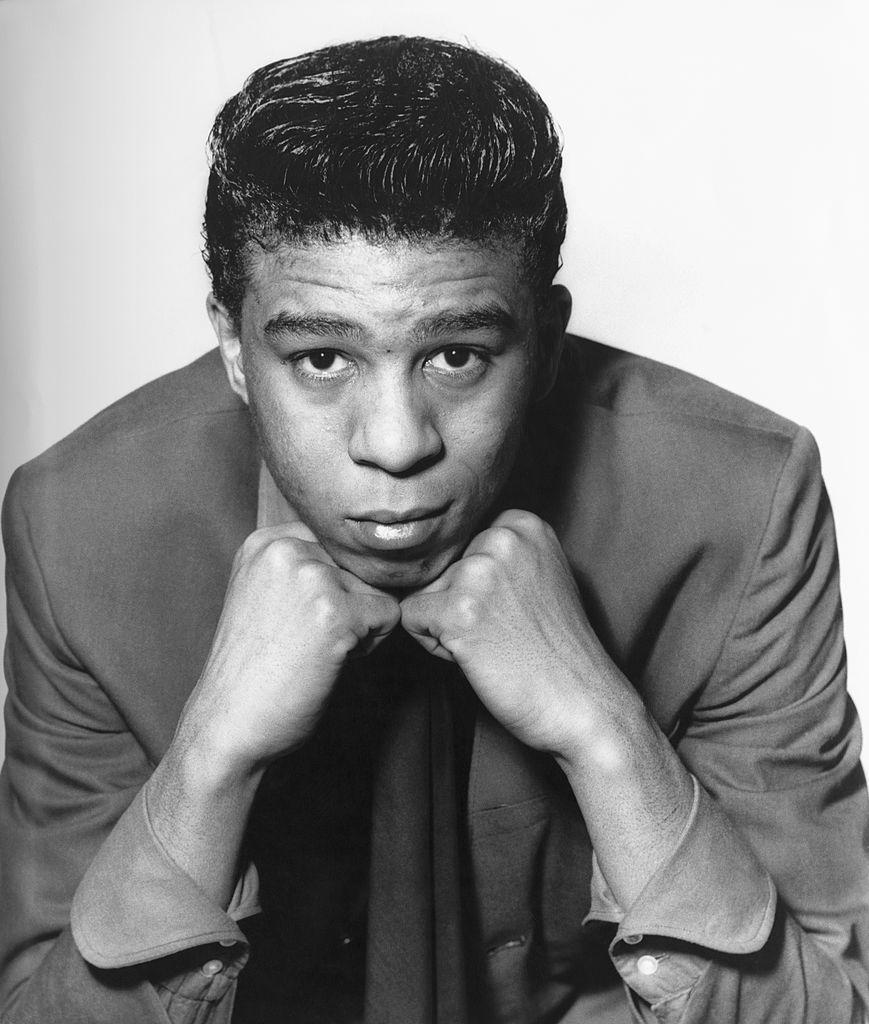
Eddie Murphy Reset the Ceiling
Eddie Murphy (born April 3, 1961) arrived young and unapologetic. After breaking out on Saturday Night Live, he turned stand-up concerts like Delirious (1983) and Raw (1987) into arena events, with Raw earning over $50 million at the box office worldwide�unheard of for a stand-up film. His comedy albums were released on Columbia Records, and he won a Grammy for Eddie Murphy: Comedian, marketing stand-up like mainstream music.
Film success followed fast: 48 Hrs., Trading Places, and Beverly Hills Cop made him one of the highest?grossing box office stars of the 1980s and a defining Hollywood lead, not just comic relief. Murphy became the benchmark for what a comedian could achieve�simultaneous dominance in stand-up, television, film, and even pop music with hits like �Party All the Time.�
The Black Pack Changed the Business Model
Around Murphy were Arsenio Hall, Damon Wayans, Paul Mooney, Keenen Ivory Wayans, and Robert Townsend�comics and writers who treated ownership and authorship as non-negotiable. Townsend financed Hollywood Shuffle by maxing out credit cards to satirize the limited, stereotypical roles offered to Black actors, then turned that risk into a cult classic that proved there was an audience for sharper Black satire. Keenen built In Living Color, a sketch show that launched future stars and pushed network boundaries on race, hip-hop, and politics until interference pushed many of them further into film, where they kept winning.
Arsenio Hall�s late-night talk show brought hip-hop, R&B, and Black Hollywood into a studio environment that had historically excluded them, while Paul Mooney quietly wrote fuel for multiple comics and shows without toning down his point of view. Together, they proved Black comedians didn�t just have to fit into existing formats; they could design new ones and take their audiences with them.
Robin Harris Lit the Fuse
Robin Harris (August 30, 1953 � March 18, 1990) went from a car wash to commanding the Comedy Act Theater in South Central Los Angeles, a room so tough that killing there was considered a badge of honor among comics. Hollywood followed him into the neighborhood, casting him in films like Do the Right Thing and House Party because they couldn�t deny what he did onstage.
His routine Bebe�s Kids pulled crowds and pulled other comedians into view, turning a story about babysitting out?of?control kids into a classic bit of Black folk storytelling. Just as his breakout moment arrived, he died of heart failure in his sleep at 36, days after shooting House Party, but the animated film Bebe�s Kids�released after his death�kept his name alive and became the first full?length Black animated feature to get nationwide distribution.
Legacy Without Sentimentality
These comedians didn�t advance comedy by being polite. They did it by being effective, building systems where they could record, sell, and own their work even when the mainstream said there was no market.
The real question isn�t how funny someone is. It�s whether they left anything that lasts�records that still sell, shows that still rerun, language that still gets quoted, and doors that stay open for the next generation.
1 comment
Great article on black comedy. There is a great DVD is anyone is interested in getting more information on the subject called Why We Laugh directed by Robert Townsend. It was inspired by Darryl Littleton�s incredible book called Black Comedians on Black Comedy. You will love them both.