The National Music Publishers’ Association (NMPA) has established a critical financial precedent for the artificial intelligence music sector by securing its first industry-wide licensing agreements with platforms Udio and Klay, ensuring songwriters receive equal compensation to record labels for AI training data. This move signals a definitive shift from unlicensed exploitation to structured revenue sharing, directly impacting how publishers, radio programmers, and rights holders will evaluate AI tools for future content generation and potential infringement risks.
Equal Value for Songs and Masters
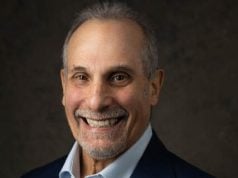
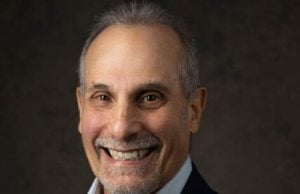
NMPA President and CEO David Israelite announced the deals at the trade body’s annual meeting in New York on June 10, 2026, marking the first time a major AI music company has agreed to value compositions and sound recordings equally. The agreement with Udio mandates a 50/50 revenue split between song rights (publishing) and recording rights (masters), a standard the NMPA has long demanded given that streaming typically pays recordings more than three times what songs receive. Unlike previous individual negotiations, these pacts allow independent publishers in good standing to opt into standardized terms, with the Udio deal becoming available to members starting June 15.
The second agreement, finalized in principle with Klay, ensures the entire platform will be trained exclusively on licensed music before launching to the public later this summer. Israelite described the Klay deal as a paradigm shift because it guarantees the platform is fully licensed with publishers and songwriters, eliminating the legal ambiguity that has plagued other AI generators. These deals provide a formal template for licensing catalogs for both AI model training and output usage, moving the industry away from the “legal Wild West” toward a monetization model.
Litigation Looms for Unlicensed Platforms
While these agreements represent significant progress, Israelite warned that many unlicensed AI platforms still pose a serious threat to songwriters, with lawsuits and new legislation likely to dictate the path forward for non-compliant companies. The NMPA is maintaining its legal pressure on “bad actors,” specifically citing Anthropic for training its Claude chatbot on copyrighted lyrics while claiming fair use. The organization argues that AI-generated music acts as a direct market substitute for human-created works and that a functioning licensing market already exists, which Anthropic has chosen to ignore.
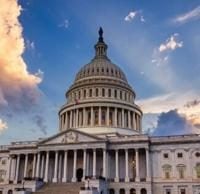
Beyond litigation, federal legislation is advancing to regulate the sector, including the CLEAR Act, which requires AI developers to file notices summarizing copyrighted works used in training datasets. The TRAIN Act would create an administrative subpoena process for copyright holders to verify if their works were used, while the COPIED Act directs the National Institute of Standards and Technology to develop standards for content watermarking and synthetic-content detection. Additionally, the NMPA is pushing for the No Fakes Act to establish federal property rights for voices and images, protecting creators from unauthorized deepfakes. To further align the industry, Israelite announced an AI Songs Summit in Nashville this September to bring together publishers, PROs, and songwriter groups.
For editorial consideration and industry coverage inquiries, contact Radio Facts.