Universal Music Group and Udio have struck a landmark deal that puts an end to their copyright infringement lawsuit while laying the groundwork for a brand-new, commercially licensed AI music platform slated to debut in 2026. Beyond ending the legal fight, the arrangement bundles fresh recorded-music and publishing licenses together, opening up additional income streams for UMG’s roster of artists and songwriters through the newly sanctioned service.
Announcement Paves Way For Licensed Platform
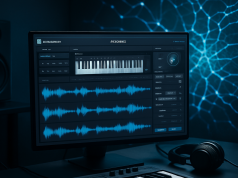
The two companies unveiled their agreement in Santa Monica on October 29, 2025, revealing plans for a subscription service that would let users personalize, stream, and share music within a fully licensed setting on Udio. According to Universal, the forthcoming product will run on advanced generative AI technology built exclusively from authorized and licensed recordings, steering clear of unlicensed content. While the two sides have yet to reveal what the platform will be called, they confirmed a 2026 rollout.
The settlement simultaneously closes out the companies’ courtroom battle, which arose from Universal’s allegation that Udio had trained its AI system using the label’s copyrighted catalog without permission. Universal and Udio characterized the new agreement as a combination of monetary settlement terms and commercial licensing deals spanning both recorded music and music publishing.
Licenses Span Both Recordings And Compositions
The scope of the licensing deal extends across both master recordings and the underlying song compositions, giving it broad coverage over recorded music as well as publishing rights. This breadth matters because the platform is meant to run entirely on licensed content from day one, with both companies calling it a secure, fully authorized environment.
Per the companies, the platform’s foundation rests on properly authorized training data, built to enable responsible forms of music personalization, streaming, and sharing. Universal further stated that the setup is designed to open up additional earning potential for its artists and songwriters, although the public statement stopped short of specifying any financial terms.
Artists Retain Control Over Participation And Pay
Artist involvement in the platform will reportedly hinge on a voluntary, opt-in system rather than automatic inclusion, giving musicians the choice to exclude their work entirely. Reporting on the agreement suggests that only those artists who actively opt in will see their recordings and songs featured on the revamped Udio platform. This opt-in requirement functions as a cornerstone of the licensing setup, ensuring the service draws only from authorized material instead of granting blanket access to entire catalogs.
According to media coverage, songwriters and performers stand to receive compensation under the deal, though neither company has published specific figures, royalty rates, or a formula for how payments will be calculated. The official statement kept things vague, noting only that the arrangement opens new revenue channels and establishes a way to share value generated through licensed AI-created music.
A Landmark Deal For The AI Music Industry
What sets the Universal-Udio pact apart is its positioning as among the earliest major licensing agreements struck between a major global label and a startup specializing in AI-generated music. That distinction carries real weight for an industry sector that up to now has largely been shaped by lawsuits over training data practices, catalog ownership, and how copyrighted material gets used inside generative AI systems.
Rather than operating under an open training or unrestricted output model, this agreement channels licensed AI music into a paid subscription framework. The upcoming platform is designed to merge the acts of creating, listening to, and streaming music under one roof, effectively turning Udio into a hub for user-generated musical content that operates entirely within licensing boundaries set by Universal.
The Road Ahead For Udio
Universal indicated that Udio’s current platform will keep operating throughout a transitional stretch, during which the company will roll out safeguards such as fingerprinting and content filtering ahead of the new service’s debut. That next-generation platform remains on track for a 2026 release, with both firms pledging it will function inside a secured, fully licensed framework.
Neither party has disclosed the monetary terms behind the settlement or shared the complete contract details. Nor did the announcement lay out a specific schedule beyond confirming the 2026 target date, meaning the launch of the licensed subscription service stands as the next major event to watch for.
For editorial consideration and industry coverage inquiries, contact [email protected]