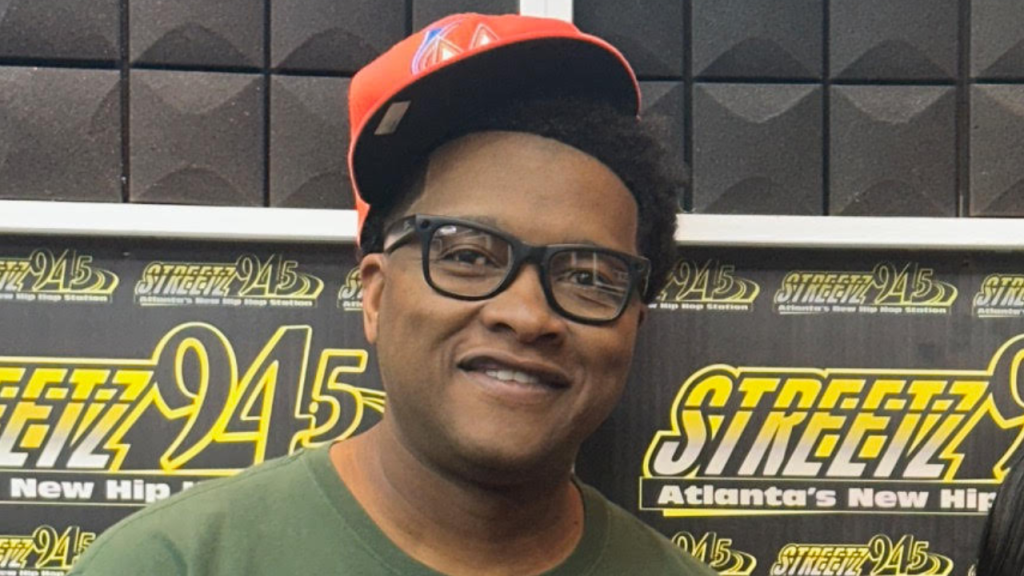
SOLO’s journey from unpaid intern to Program Director and Promotions Director at Atlanta’s Streetz 94.5 shows how commitment, loyalty, and vision still matter in Hip Hop radio’s most competitive market. At the core of his story is a commitment to Black‑owned Atlanta radio and to building the Streetz 94.5 brand across on‑air, digital, TV, events, and syndication, all while developing the next wave of talent behind the scenes. Solo brings an old‑school work ethic and performance standard together with sharp marketing savvy, social media fluency, and a clear sense of where the industry is headed. He is an anomaly in the best way, an essential asset in a shifting industry, and he is only scratching the surface of where he is going.
RF: You started as an intern and now sit in the PD and Promotions chair. What are the specific decisions or moments that turned that come up into a real career path?
SOLO: I was unemployed and attended an open house informational at a broadcasting school that planted a seed. A few people encouraged my ambitious idea. I attended broadcasting school to learn the basics, then started applying for jobs around the city and the country. I was told “NO” a lot even at my current location. I finally got in as an unpaid intern, kept my head down and just worked every day to learn and improve. By being available and needed, one thing just led to another. I wanted to be on-air but that wasn’t in my cards. Now we are here and I am still learning and enjoying it despite the obstacles. I appreciate the people that had faith in me.
RF: When you look back at your earliest days at Streetz, what did you see in the station that made you bet your whole run on this brand?
SOLO: They gave me an opportunity and took chance on me when the owner could have done something different so they have my loyalty. Seeing an independent Black man build this is through so much adversity was impressive and I like being a part of it and providing assistance; it’s inspiring.
I actually didn’t get a full run in with Program Directors; many weren’t inviting or accepting, and most just left me on read. SOLO
RF: You came into radio through promotion and the streets, not the traditional programming ladder. How has that unorthodox route shaped the way you program today?
SOLO: It was very unorthodox but I was always a hard-worker, consistent and trustworthy and that translates in any industry especially this one when so many will switch up so quickly.
RF: Was there ever a point where you almost walked away from radio, and what pulled you back in?
SOLO: Yes, I have a couple of offers from other industries. I also had moments where I didn’t feel appreciated but I realized some of that stemmed from immaturity. I needed to grow up and understand the industry dynamics and the bigger plan. Furthermore, I still have things to prove to others and more importantly, to myself.
RF: Who were the program directors or radio architects you were quietly studying while you were still just the intern in the room?
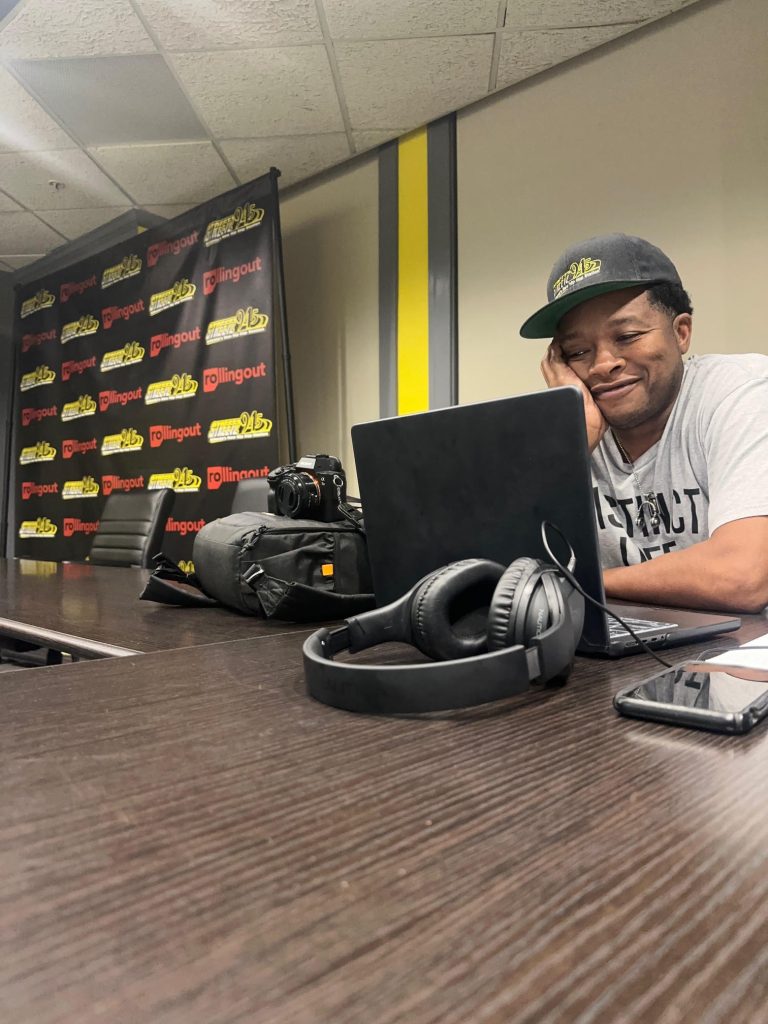
SOLO: I actually didn’t get a full run in with Program Directors; many weren’t inviting or accepting, and most just left me on read. I started going to radio events and conferences on my own. I watched most from afar, Like Ebro, Doc Wynter, and Reggie Rouse, Hurricane Dave but more importantly I listened to and picked the brains of my boss Steve Hegwood and got tutorials from Jerry Smokin B, JayTek…
RF: In your mind, what is the core mission statement of Streetz 94.5, and how has that mission evolved as the brand expanded?
SOLO: Don’t focus on what you are lacking, focus on what you have so you can get what you want. The expansion is being open to change and ride the wave but no when to get off whether its trends or people. The listener is still the most important commodity.
RF: If a listener in another market asked, “What makes Streetz different from every other hip hop station?”, what is your answer as the person who guards the brand every day?
SOLO: Streetz 94 5 is different because we are gritty, hands- on and interact with our listeners daily. We enjoy being in the Streetz and touching the people and doing what the others can’t.
RF: How do you balance the pressure for quick viral moments with the slower work of building a credible, lasting brand in a city like Atlanta?
SOLO: The viral moments come and go but that foundation of credibility needs to always be consistent.
RF: What are the non negotiables you protect as PD, things you will not compromise on, even if it costs you in the short term?
SOLO: My non-negotiables are loyalty, consistency, and keeping your word. Also, I don’t sell a dream that I cannot fulfill and always tell the truth because so many don’t, which taints the industry to an extent. Hardwork eventually pays off.
RF: Streetz is now a full ecosystem with radio, TV, events, digital, and syndication. How do you personally keep all of those pieces aligned so they feel like one brand and not separate projects?
SOLO: It’s a team that is centered around the CEO, Steve Hegwood and we communicate regulary to evolve and intertwine the vision he bestows upon, no matter how ever-changing. It takes a team, good communication, and a streamlined vision. It’s been hard but it’s also been a blessing to make these things happen and know I played a big part.
RF: Walk me through how you actually build a clock for a key daypart at Streetz. What elements have there, and what are you listening for when you tweak it?
SOLO: Working on a clock is time consuming because you have to know your audience during the time slot and envision what they are doing and plan your clock around their habits. Someone going to work at 6am is doing something different than someone going home at 6pm and throughout the day you have to address that accordingly from music to giveaways to the persons you put in place.
RF: When you are deciding whether to move a record from mixshow to heavy rotation, what data, feedback, and gut checks matter most to you?
SOLO: All of that matters but research, feedback and eye test are probably my main things. I may like a record but it still needs to check the other boxes, and the majority of my listening audience has to like it.
RF: How do you use research, social metrics, and real world in the streets feedback together when you are making music and content calls?
SOLO: Surveys, events, social media, and seeing things in real world because what people stream and what they dance to at a club may be two different things and you need to see it all in order to get best decision. It requires going to places outside of your normal spots too.
RF: What have you changed your mind about in programming over the last five years, and what have you doubled down on even harder?
SOLO: I have changed my mind about Social Media. It is very important to the success of radio and I have doubled down that radio is still important regardless of the rhetoric that it is dying. Radio especially black owned radio is more important than ever.
RF: As a PD, how do you coach on air talent to sound like Streetz talent instead of sounding like they are doing an impression of another station?
SOLO: We do on-air checks weekly sometimes multiple times to keep the vibe as much, unlike a lot of PDs. I am in the building daily so they see me and we get to talk and correct things in real time which helps everyone understand the mission for each time slot. I must be doing something right because the people I trained keep getting work.
RF: You are known for pouring into interns and younger staff. What is your process for turning an intern into a real asset for the station?
SOLO: I always enjoy pouring into the next generation that are willing to listen and put in the work. Throughout my life someone has always poured into me when I started something so that is something that I try to pass along. I started as a intern so I would not pass up an opportunity to help them because I know how hard it is but they have to show they really want it for me to totally invest my time. A lot of them fall off because they think it is easy and they want a reward right away and radio doesn’t work like that.
RF: Looking at the people you have helped bring up, what patterns do you see in the ones who turned opportunities into careers?
SOLO: Work ethic and consistency for those that actually are on the radio. Doing the job everyday with a good attitude no matter what and have great interactions with listeners on the phone and in the public.
RF: If a young programmer or content lead came to you today and said, “I want to build the next Streetz,” what are the first three concrete steps you would tell them to take in year one?
SOLO: Well first, I would say you can’t because Streetz was perfect for a time that no longer exists. On the other hand, my first three points are: Define your niche, focus on music/content, and hire people who are passionate about the people themselves.
RF: How do you help talent and staff understand the difference between being famous on social and being valuable inside a media company?
SOLO: This is a constant battle and you have to communicate the balance because social media will have you gassed up and sometimes you have bust their bubble because social media success doesn’t always translate to radio real life success. We keep continous dialogue.
RF: What is one lesson you try to give your interns about the business of radio that you wish somebody had told you earlier?
SOLO: Time management is your most important tool and punctuality is key. Learning to be prepared ahead of time. I know that is more than one.
RF: You have been on the ground at CES, NAB, and industry events. What technologies or workflows do you think will realistically change how a PD operates over the next three years?
SOLO: Yes, i am student of learning and my boss doesn’t have time to hold my hand so I have to attend those events to get knowledge to be better prepared. A.I. and more cloud intergration is probably going to be the biggest thing because companies are streamlining things and the people that can use and understand those tools will be productive.
RF: From your seat, is radio losing ground, holding ground, or gaining ground, and what are the indicators you watch to answer that honestly?
SOLO: Radio has lost ground but is slowly re-adjusting. Digital platforms distracted people and now there are multiple places to get music, news and gossip so Radio has to adjust to be more interactive and relevant from community to prize giveaways.
RF: As Streetz adds more platforms like TV, events, digital, and syndication, how has that changed what success looks like for you beyond ratings alone?
SOLO: It definitely gives a different metric and you have to adjust what winning looks like. The ratings alone aren’t viable, but they act as a catalyst; experiences are happening thatgive you a far better bang. I look at each element, determine my goal for it, figure out how to achieve that goal, and then integrate it with the other platforms.
RF: In a world of streaming, playlists, and short form video, what is the one advantage radio still has that we do not talk about enough?
SOLO: Radio is still free to more than 65% of the world. Everyone has access to a radio, everyone doesn’t have access to internet or can afford streaming services. Radio is and always will be economical.
RF: When people look back on this era of Atlanta radio and the Streetz brand, what do you personally want your name to be attached to in that history?
SOLO: I would like to be acknowledge for being a part of this industry for making waves and helping a few people and artists achieve their next level.